
Tai Chi for Kids
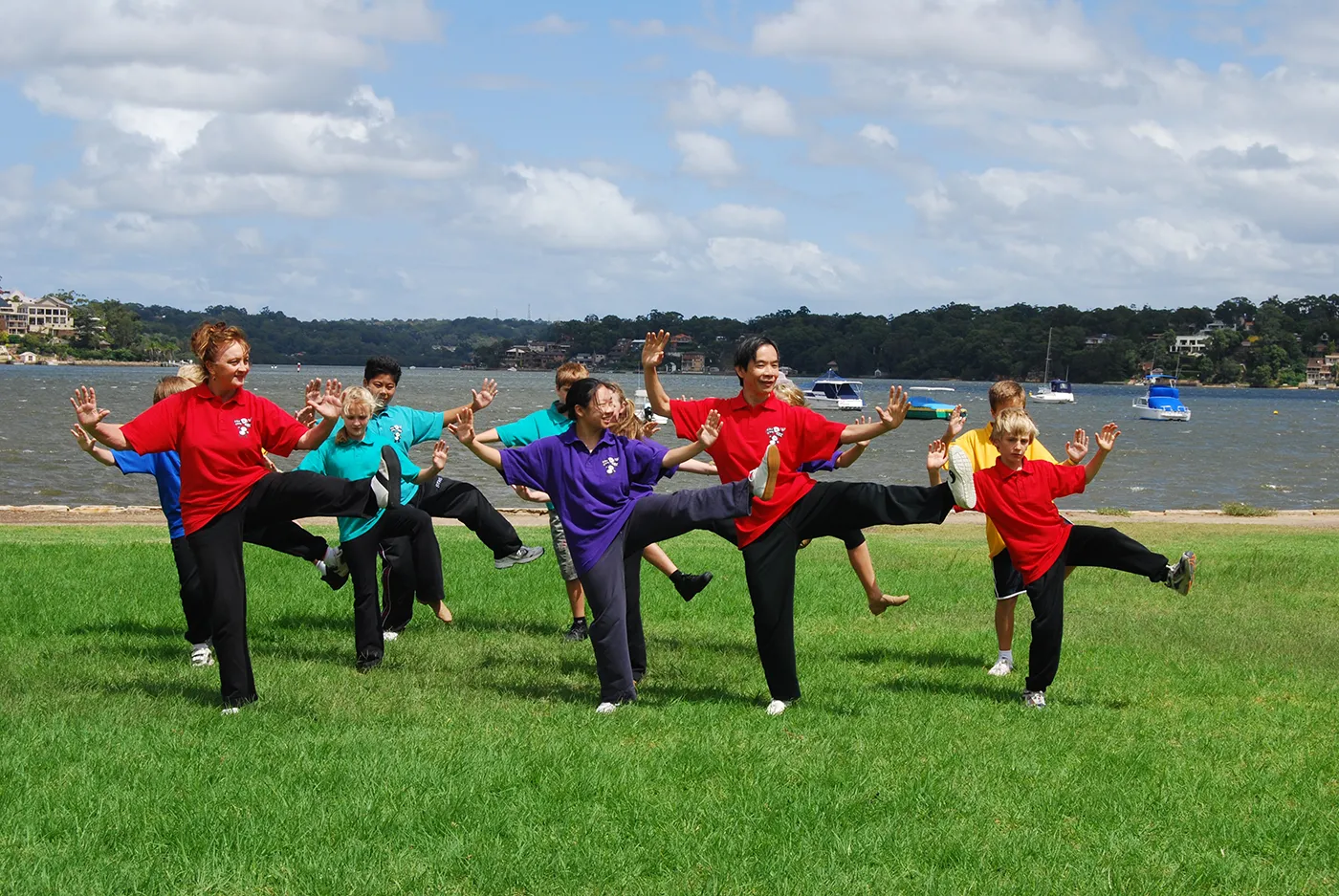
Tai Chi for Kids, stylised as Tai Chi 4 Kidz, is a tai chi program designed specifically for children by Dr Paul Lam. It teaches a short tai chi set through imagery and games, designed to be fun and to develop concentration and coordination. Parents and teachers learn it alongside the kids.
On this page
- Why Tai Chi for Kids?
- What is in the Tai Chi for Kids program?
- How are the movements taught to children?
- How can I learn Tai Chi for Kids?
- How do I get started with the program?
- How do I teach Tai Chi for Kids to young children?
- From the kids
- How do I become a certified Tai Chi for Kids instructor?
- About Dr Paul Lam
Why Tai Chi for Kids?
Introducing the program, Dr Lam explains why he made it. Tai chi has an almost magical effect in health improvement, yet hardly any kids have taken up tai chi. This is because the traditional forms, and the way they are taught, do not appeal to them.
Kids love to learn and they learn very fast, especially when engaged in a fun activity. This specially designed tai chi program emphasises the fun element while developing their mind and body. It is designed in several small building blocks to capture their attention, incorporating imagery and games to add appeal to kids. We have found that kids really enjoy learning it. Teachers and parents have also found improvement in their children’s sport and academic studies after doing tai chi.
Team sports like football are wonderful for children, but not all children like them, and many stop team sport after leaving school. An individual sport like tai chi is more likely to continue for a lifetime. Starting tai chi could lead your child on a lifelong path to a healthier and more fulfilling lifestyle.
“The other aspect of Tai Chi is the intrinsic reward they get from seeing themselves progress and develop, and it is with themselves rather than in competition with other children. Often a lot of physical activity opportunities with children involve competition, and it is external competition. One of the great benefits of Tai Chi is getting a child to develop reward within themselves, intrinsically”
— Professor Shona Bass, Professor of Population Health, Deakin University, Australia
What is in the Tai Chi for Kids program?
The program contains a set of warm up exercises, a seven form tai chi set built in small blocks, and a follow along demonstration of the whole set.
An introductory section for teachers and parents provides information on tai chi and how to teach the program effectively. Starting with a fun gathering in the park, the program is taught in full, including warming up and cooling down exercises. To conclude, Dr Lam demonstrates the entire set from the front on and back on positions.
Warm-up exercises
- Neck: open door and looking straight ahead
- Shoulder: invisible circles and gathering sun beams
- Spine: bear stretches and turning ball
- Hips: feel the pebbles and side kick
- Knees: kicks and punches
The tai chi set
- Form 1: Commencing
- Form 2: Open and Close
- Form 3: Brush Knee x 3
- Form 4: Kicks
- Form 5: Wave Hands
- Form 6: Stroking Bird’s Tail
- Form 7: Closing
The set is made up of several small building blocks to capture children’s attention, and each block is like a small tai chi set in itself. You can teach each block independently, or join any two or more blocks together. This design lets you tune your teaching to the children’s needs. When you reach the end of the recording, you can practise with Dr Lam by following him as he demonstrates the entire set with his back to you.
How are the movements taught to children?
Each movement comes with a picture a child can hold in their mind, rather than an instruction to get the angle right.
Feet together on a string to begin. Step out and stand like a tree, feeling the roots coming down from your feet. Pick up the ball to show to your friends. Bend your knees, breathe in and open, breathe out and close. Say hello to a friend in front of you, and say hello to a friend behind you. Imagine a butterfly sitting on your finger while you are in a cloud.
This is why the teaching notes ask you to keep instructions less precise, and to focus on the flow and principles of tai chi rather than exactness.

Totally Wild, Channel Ten's children's program, filming a segment on Tai Chi for Kids in 2008. Presenter Alinta Manasserian practises with the group.
How can I learn Tai Chi for Kids?
- With a certified TCHI instructor. You can learn from a class with a certified instructor of Tai Chi for Kids.
- Online. Tai Chi for Kids is available through a self-paced, online streaming video subscription at Online Tai Chi Lessons, so you can learn from anywhere with an internet connection.
- On DVD. The Tai Chi for Kids instructional DVD is available from Tai Chi Productions.
How do I get started with the program?
Dr Lam recommends that parents and teachers learn this program together with the kids.
Start by viewing the entire program to gain an overview, and to see how to create a fun and active setting for teaching. Use it as a way to share quality time with children that is healthy, relaxing and enjoyable. Children learn better in a non demanding and interactive setting. Use imagery and games to add appeal. Most importantly, praise the kids often, and focus on the flow and principles of tai chi rather than exactness.

Teachers and parents should make sure they hold the qualifications required under the law of their country to teach this program to children.
How do I teach Tai Chi for Kids to young children?
A few ideas that make it easier:
- Introduce the salute. Children love the ritual greeting, so begin and end each class with it.
- Children like some kind of ritual, so the Wushu greeting is a nice one to teach them. Use it to mark the beginning of the lesson, and help them understand its meaning of mutual respect.
- Smile and make it fun. Children reflect your attitude and your sincerity.
- Keep instructions less precise, and focus on keeping the flow.
- Young children like repetition, so it is a good idea to start by repeating what you did last time.
- Young children are not apt to practise at home, so construct your program so they practise during the lessons. Do not expect them to practise at home, but if they do, be sure to encourage them.
- Children like imagining things, so use stories and imagery that appeal to them.
- Keep sessions short. Young children have a short attention span, so after 5 to 10 minutes, intermix with activities like games or stretching exercises they can do comfortably. Children usually feel comfortable when doing something familiar.
- Work with a group of similar age rather than a wide age range. If you are teaching in the school system, get help from the school teachers, and avoid a large class without that help.
- Apply gentle discipline. Set a few simple rules, such as not walking out of the class without giving a reason, and not touching each other.
- If you are teaching the martial art application, keep the group very small and the children well behaved. You must be able to see and supervise such activities.
- Learn the essential principles of tai chi yourself and express them through the movements. The children will follow your lead.
- Correct minimally. Avoid being too exact with the movement, and bring in only the essential principles by showing them and working alongside them, for example the imagery of standing upright like a string, without tension.
- When children get restless or disorganised, or look like they have lost interest, join in and move with them, keeping the flow. Introduce a game, go for a group run, or tell a story. When children are doing something, it is much easier to stay in control.
- Expect and encourage good behaviour.
- Invite the whole family. Getting siblings, parents and even grandparents into the class introduces tai chi to everyone and gives the family quality time together. Ten minutes on a couple of moves is enough to bring a family together.
- Often schools have group sports like football, that require organising and joining groups. Many children stop this group exercise when they leave school. Whereas tai chi does not need to be a group exercise, and it can be done anywhere. So you can motivate the children to practise and enjoy the proficiency of what they can do, and the nice feel of tai chi, so even if they stop after your lesson they could eventually come back. Dr Lam has met many people who were exposed to tai chi as a young child and picked it up again many years later.
- Be flexible. If something does not work, try another approach. Children are dynamic and fun, and teaching in their way is more effective.
From the kids
“Tai chi is a way to exercise your limbs and make you concentrate on your work.”
— Dan, age 10
“Tai Chi cleanses my body and helps me with my work.”
— Katiana, age 9
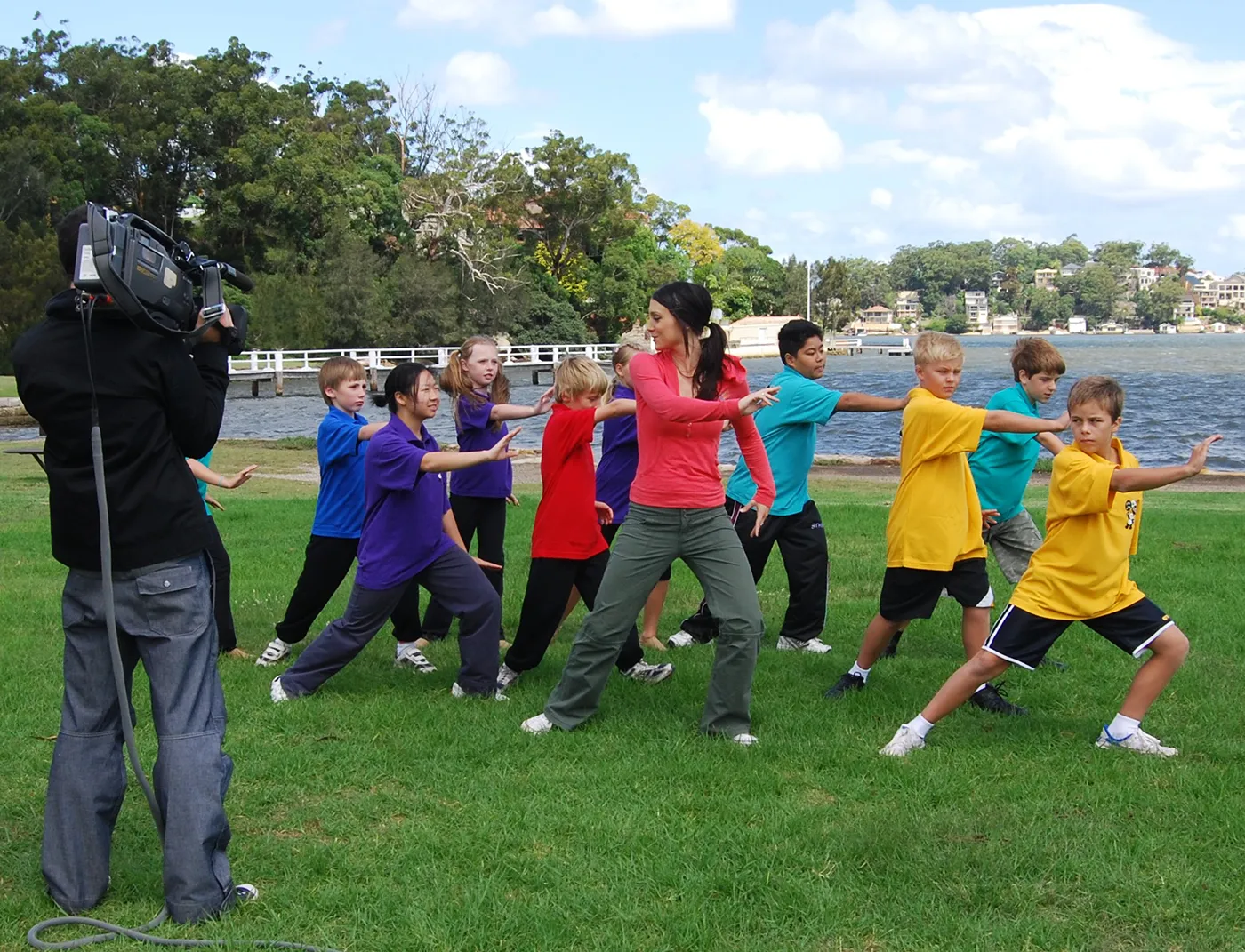
Filming the Totally Wild segment for Channel Ten in 2008. Presenter Alinta Manasserian leads the children through the set.
How do I become a certified Tai Chi for Kids instructor?
If you would like to teach Tai Chi for Kids, you can train to become a board-certified instructor of the Tai Chi for Health Institute. Instructors come from a range of backgrounds.
There are four steps:
- Register for a tai chi instructor training workshop, run by TCHI Master Trainers in person or online.
- Prepare by completing the Self-Paced Instructor Preparation Package for Tai Chi for Kids (SIPP-TCK), an online course in which Dr Lam guides you through everything you need to know about teaching this program safely and effectively, and by reading Teaching Tai Chi Effectively.
- Attend the live workshop, where you are assessed on your tai chi and on your ability to teach the program.
- Then join the Institute as a board-certified instructor and are listed in the tai chi instructor directory.
Learn more about becoming a certified Tai Chi for Health instructor
About Dr Paul Lam
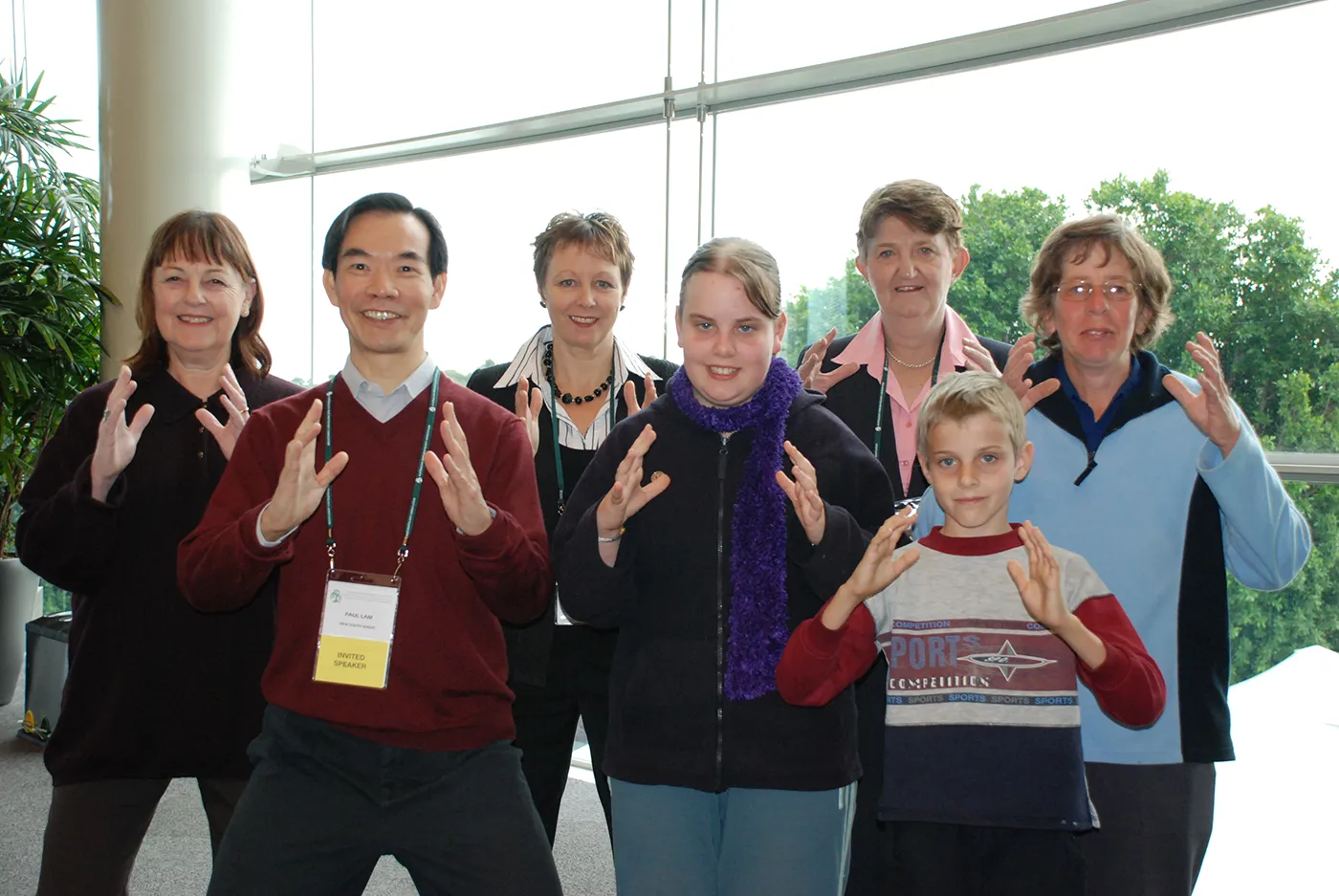
Dr Paul Lam is a family physician and tai chi expert from Sydney, and the Founder of the Tai Chi for Health Institute. Millions of people have learned his Tai Chi for Health programs.
His programs are supported by health departments and arthritis foundations around the world, and his Tai Chi for Arthritis and Fall Prevention program is recommended by the Centers for Disease Control and Prevention. More than 35 published peer-reviewed medical studies have examined his Tai Chi for Health programs. Over 500 medical studies have looked at tai chi more broadly, showing stronger immunity and improvements across almost all aspects of health, including muscular strength, flexibility, fitness, relaxation and balance.
He has written best-selling books, including Teaching Tai Chi Effectively, along with instructional Tai Chi DVDs and Online Tai Chi Lessons. He has travelled nearly two million miles teaching, and has a knack for making complex theory easy to follow.
He has spent more than 50 years working out what makes tai chi effective for health, inner strength and quality of life. That experience shapes every Tai Chi for Health program, including Tai Chi for Kids.
Dr Lam has developed Tai Chi for Health programs for a range of ages, abilities and health conditions.